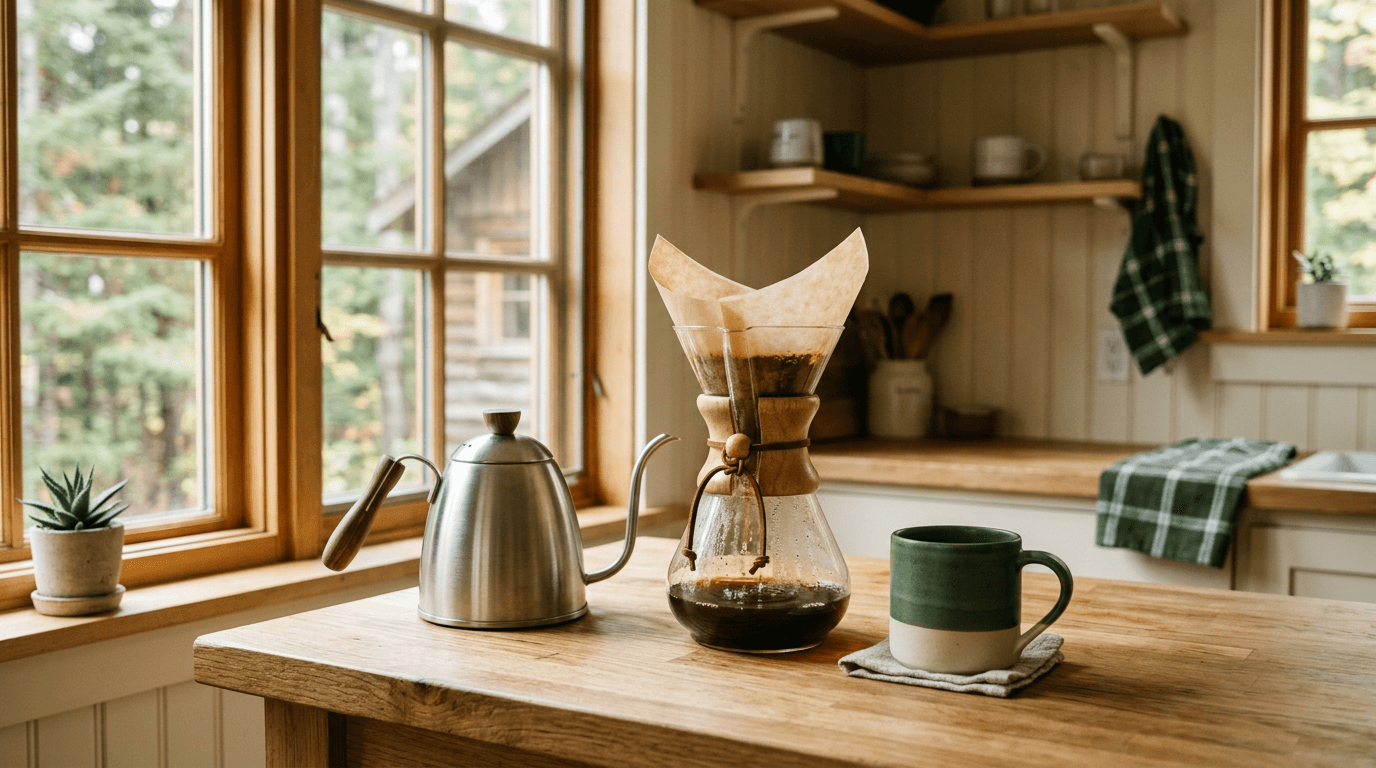
The Best Portable Power Stations for Glamping in 2026: Your Complete Guide to Off-Grid Luxury
Glamping runs on quiet, clean power. Compare LiFePO4 portable stations, solar pairing, and three standout models for Canadian weekend escapes and longer off-grid stays.
We may earn from qualifying purchases. Prices are approximate CAD and change with sales; confirm on Amazon.ca or the manufacturer. Specs summarized from manufacturer materials—verify before you buy.
Editor's pick
Anker SOLIX C1000 Portable Power Station
Affiliate link — we may earn a commission at no extra cost to you.
At a Glance
Noise profile
Near-silent vs typical 60–80 dB generators
Sweet-spot capacity
1,000+ Wh class for weekends
Solar pairing
200–400W foldable panels (MPPT)
Battery chemistry
LiFePO4 preferred for longevity
Best use
Glamping, car camping, cottage backup
AC output target
1,800W+ continuous for mixed loads
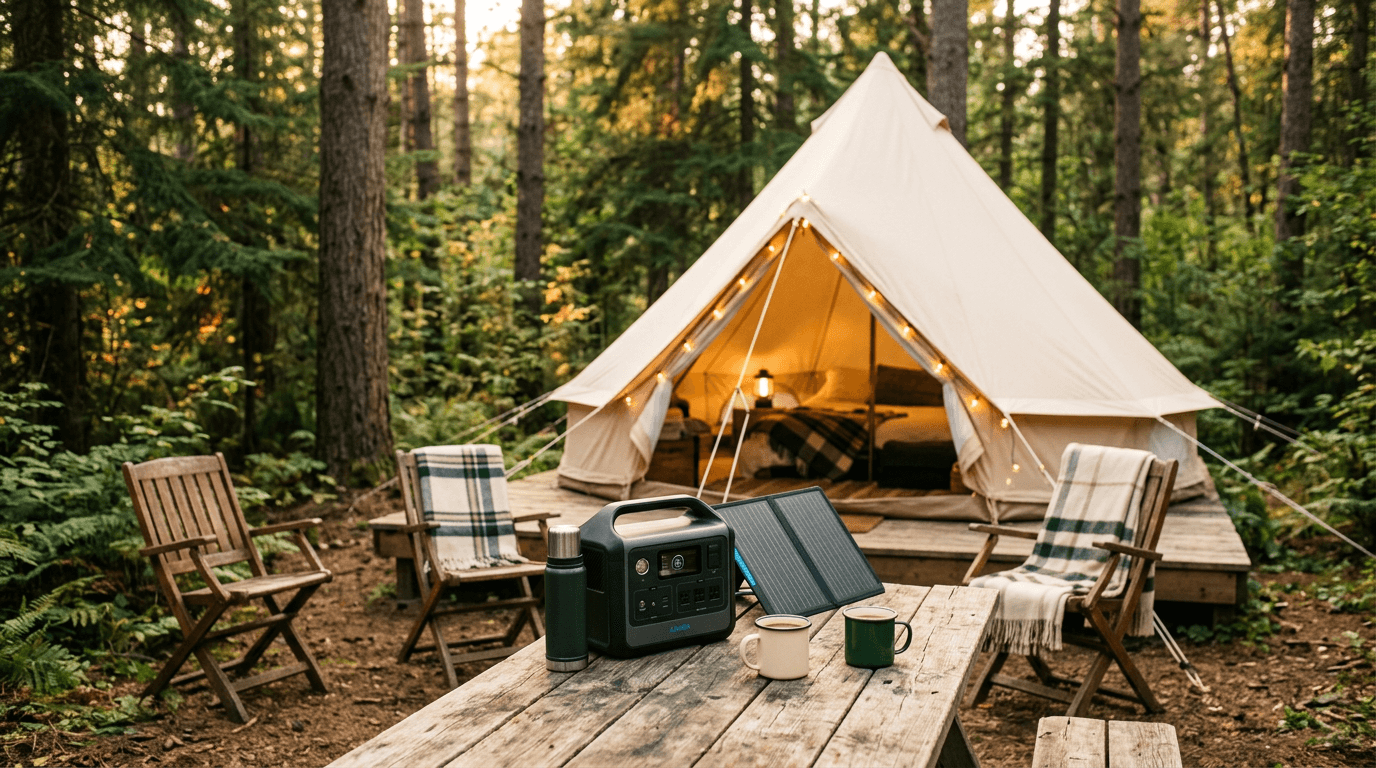
Glamping is camping reimagined: safari-style tents with real mattresses, hot showers under the stars, and proper coffee at sunrise. The detail that separates a calm trip from a noisy one is power. In 2026, a portable power station is the quiet, fume-free alternative to a gas generator for many Canadian campers—especially where sound carries across water or valley air the way it does in cottage country from Ontario to coastal BC.
Whether you are running a 12V fridge, string lights, a fan, a coffee maker, or a small cooking appliance, the right station delivers predictable electricity without idling a motor all night. Below, we break down what matters for real glamping loads, not just spec-sheet bingo. These models also show up often in independent roundups from outlets such as OutdoorGearLab, GearJunkie, and Outdoor Life; we focused on fit for glamping (noise, capacity, solar, and everyday ports) rather than reprinting lab scores.
Why a portable power station is essential for glamping
If you have ever listened to a distant generator drone while the loons call, you already know the tradeoff. Glamping is about comfort and atmosphere—which means power without a soundtrack.
Near-silent operation: Power stations use fans at low speed instead of combustion engines. Open-frame generators often land in roughly the 60–80 dB range under load depending on model and distance; a good station keeps campsite noise closer to ambient wind and conversation.
Cleaner pairing with solar: Add a foldable panel and you can offset daily use with sun instead of jerry cans. That matters in jurisdictions where fuel transport and spill rules apply, and it keeps exhaust away from canvas and sleeping areas.
Predictable autonomy: Capacity (Wh) tells you how long the battery can sustain your average draw. Solar adds a recharge lane so multi-day trips feel less like math homework.
Outputs that match real gear: Look for 12V ports for compressor fridges, 100W-class USB-C PD for laptops, and 120V AC for small kitchen appliances. One unit can cover lights, music, and morning coffee without a tangle of adapters.
Canadian context
From Parks Canada front country to private land leases, rules on generators and quiet hours vary. A quiet battery system is often easier on neighbours and aligns with “leave it better” campsite culture—especially in busy corridors like the Rockies or Muskoka in peak season.
How to choose the right portable power station for glamping in 2026
The spec sheet is easy to scroll; your trip is not. A station that looks perfect in a living-room unboxing can still feel wrong on night three of a humid Ontario heat wave, or on a drizzly BC coast weekend when solar barely catches up. Start with the scene you are actually building—lights, fridge rhythm, coffee ritual, maybe a movie—then work backward to numbers.
Three questions before you click “buy”
Who shares the battery? Solo couples and full families do not draw the same way.
What runs at the same time? Fridge plus kettle plus hair dryer is a different problem than phone plus lights.
Where does the sun live? Open meadow, lakeshore, or tent-ring shade changes how much solar you can realistically harvest.
Capacity (Wh): your silent trip budget
Watt-hours are the fuel tank nobody sees until midnight. Picture two trips:
- The long-weekend escape: string lights, speaker, phones, a fan, and a compressor fridge that cycles on and off. A ~1,000 Wh class station often feels right if you are willing to stagger big draws and top up from wall or solar when you can.
- The heat-wave or crew-heavy week: fridge working hard, multiple chargers, maybe AC gadgets in rotation. ~2,000 Wh+ buys breathing room so you are not babysitting percentages every hour.
Undersize here and the gear is still “good”—just not good for that trip.
Continuous output (W): can it handle the messy moment?
Inverter wattage is about overlap, not averages. The awkward minute is when the fridge compressor kicks while someone starts an electric kettle or coffee maker. Aim for ~1,800W continuous or higher if you want those overlaps without tripping; surge ratings matter for motor loads. Your manual beats any blog for the exact pairing.
Battery chemistry: why LiFePO4 gets the hype
LiFePO4 (lithium iron phosphate) is the chemistry most premium stations lean on in 2026: calmer thermally, long cycle-life storylines on paper, and a better match for leave-it-outside use than older chemistries for many buyers. Manufacturer cycle counts are still marketing ranges—useful for comparison, not prophecy.
Solar + MPPT: your second refuelling lane
Think of solar as a slow pump that pays for itself in quiet. A built-in MPPT controller helps wring useful watts when the sun is low or patchy. For glamping, 200–400W of foldable panel is a common sweet spot for mid-size stations—if you have sky access and five minutes to aim panels after coffee.
Weight: the carry you will actually do
You are not counting grams like a thru-hiker, but you will still deadlift the unit from SUV to tent deck—sometimes in mud. Roughly 15–20 kg shows up a lot in the high-capacity tier; above that, you are usually trading shoulders for runtime. If only one person carries gear, be honest about that before you romanticize a bigger box.
Ports: the front desk for your whole site
You want the boring stuff to be easy: multiple USB-C PD ports for laptops and fast phone charges, enough 120V outlets for kitchen-adjacent loads, and 12V outputs that speak your fridge’s language. A legible display (and app, if you like phones at the site) saves you from guessing whether the sun or the kettle just ate your afternoon.
Small comforts that matter at 11 p.m.
Fan noise that stays polite in eco modes, a built-in camp light you actually use, and firmware that does not fight you in the cold—these are the details that turn a power station from hardware into infrastructure. You will not find them in a single number; you find them in reviews from people who sleep beside their gear.
Top 3 portable power stations for glamping in 2026
These three are widely stocked on Amazon.ca and cover the usual glamping archetypes: weekend balance, maximum runtime, and modular growth.
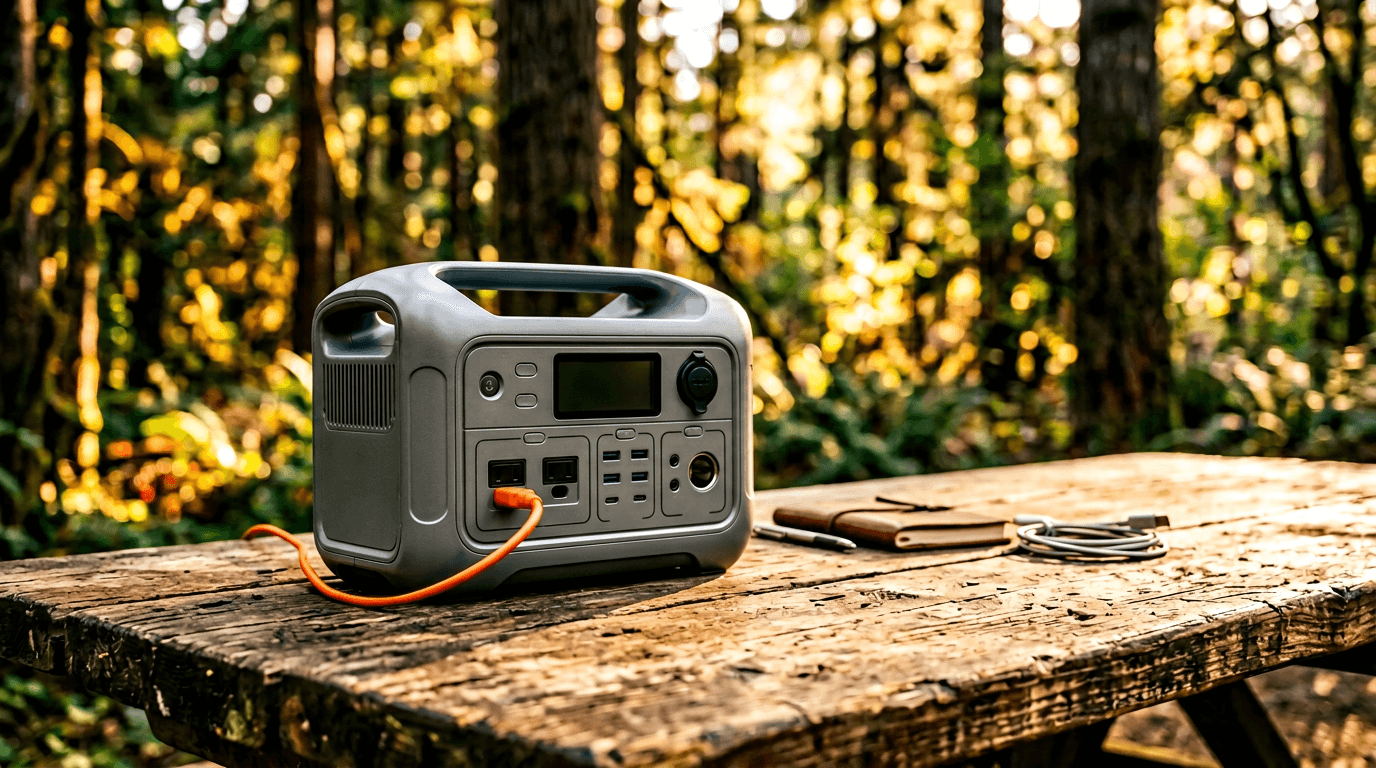
1. Anker SOLIX C1000 — best overall for most glampers
Approx. price: ~$699–$1,100 CAD (sale pricing moves) | Capacity: 1,056 Wh | Output: 1,800W continuous (2,400W peak, per Anker materials)
Weight & charging: About 13 kg in this class. UltraFast wall charging is a real advantage: you can top up at home in a ~58-minute class window (per Anker) before you leave, so you are not starting from half-empty. Add-on battery packs exist in some markets if you outgrow the base unit.
Why it fits glamping: The SOLIX C1000 balances weight, speed, and everyday ports. Overnight fridge duty is realistic in the 1,000 Wh class if you stagger peak loads (kettle vs. coffee maker vs. AC).
Owners often note the fan stays restrained in normal loads—important when every sound carries across still air. If you pair panels from the same ecosystem, deployment stays simple for first-time solar users.
Ideal scenario: A “bush hotel” weekend with a mid-size DC fridge, LED string lights, fans, and device charging—with solar to stretch sunny trips.
2. Jackery Explorer 2000 v2 — best for extended off-grid stays
Approx. price: ~$1,099–$1,899 CAD | Capacity: 2,042 Wh | Output: 2,200W AC (per Jackery listing)
Weight & charging: Expect ~18 kg (typical listing weight is in the high thirties of pounds). This is the carry you accept for 2,000 Wh+ in one box. Wall charging is fast in the modern Jackery stack; confirm the exact adapter and time on the listing for your region.
Why it fits glamping: When the trip runs a week or you are powering more than one serious load, extra capacity reduces recharge anxiety. The Explorer 2000 v2 is heavier, but the handle and chassis are built for short carries from vehicle to site—typical for family glamping where a wagon or two is already part of the ritual.
Ideal scenario: Multi-day family trips with continuous fridge use, evening projector time, and full device charging for several people.
3. EcoFlow DELTA 2 — most expandable and versatile
Approx. price: ~$999–$1,399 CAD | Capacity: 1,024 Wh base (expandable with add-on batteries) | Output: 1,800W AC; some loads may run under X-Boost depending on appliance (verify in manual)
Weight & expansion: Often ~12–15 kg for the base unit, with optional extra batteries to grow capacity over time instead of buying a whole new core. Solar input limits and charge curves are listing-specific—match panels to what the unit accepts.
Why it fits glamping: The DELTA 2 suits buyers who want a starter system that can scale. EcoFlow’s relatively open solar ecosystem also helps if you already own compatible panels.
Ideal scenario: Couples building toward van life, cabin weekends, and occasional home backup after storm season.
At a glance
Four columns only—weight, recharge, and ports are covered in each pick above.
We may earn a commission from qualifying purchases. Prices change often—confirm at checkout.
| Model | Role | ||
|---|---|---|---|
Anker SOLIX C1000Best overall | Check price 1,056 Wh | ~$699–$1,100 | Weekend-first balance |
EcoFlow DELTA 2Most expandable | Check price 1,024 Wh+ | ~$999–$1,399 | Expandable system |
Jackery Explorer 2000 v2Extended stays | Check price 2,042 Wh | ~$1,099–$1,899 | Maximum runtime |
Prices move with sales. Use this table to orient, then read the sections above for weight, charging speed, and solar input limits.
Compare top picks
Affiliate links — we may earn a commission at no extra cost to you.
Pair your station with foldable solar panels
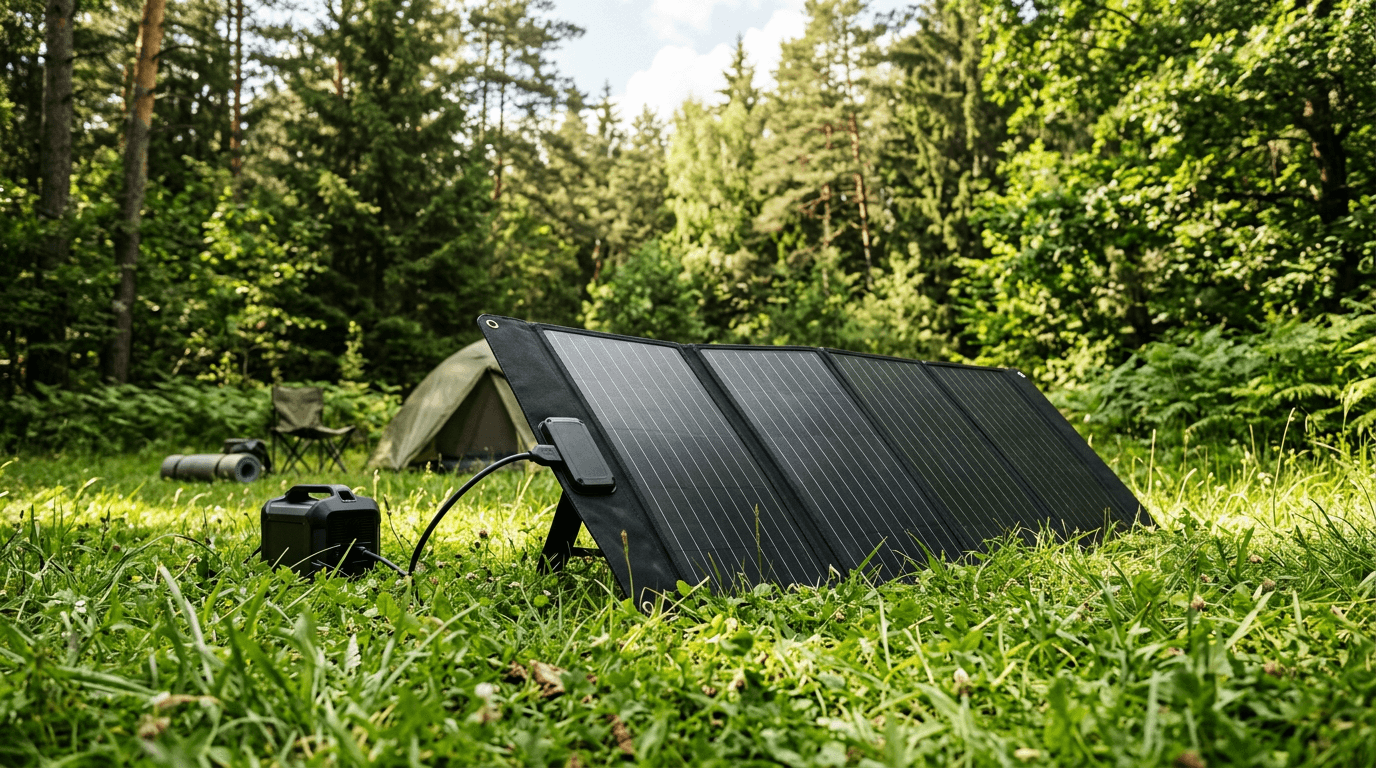
A station without solar still works—but panels turn sunny sites into rolling top-ups. For many setups, 200–400W of foldable solar is a practical range to target, matched to your unit’s input limits.
What to expect in the real world:
- Clear sun: Meaningful recovery in a day is realistic when panels are aimed well and the site isn’t shaded.
- Broken cloud or forest edge: Expect partial recovery; plan loads accordingly.
- Setup time: Minutes, not hours: unfold, angle toward the sun, connect, then adjust once or twice through the afternoon.
Wiring tip
Use the adapter set your manufacturer specifies. Mismatched connectors are a common trip-ender, and warranty support is easier when you stay in-spec.
Example: a full glamping power stack
Anker SOLIX C1000 + a 200W-class foldable panel + a mid-size 12V compressor fridge (whatever brand fits your budget and vehicle tie-downs)
That combination covers cold food, ambient lighting, speakers, and fans for many long weekends—with solar offset on bright days. Total spend varies with sales and whether you buy panels in a bundle; build a budget from current Amazon.ca listings rather than a single headline price.
Specs change with SKUs
Retail listings sometimes rotate between generations. If a number matters for your safety margin (especially inverter output and solar input caps), confirm on the manufacturer page for the exact SKU you are buying.
The Boreal Living verdict
Choosing a station is choosing how you want weekends to feel: lighter and faster, maximum runtime, or modular over time. All three approaches here are credible in 2026 if you size loads honestly and plan for shade, heat, and the occasional rainy day.
Frequently asked questions
The outdoors should sound like nature—not a generator. Power your next glamping trip the quiet way.